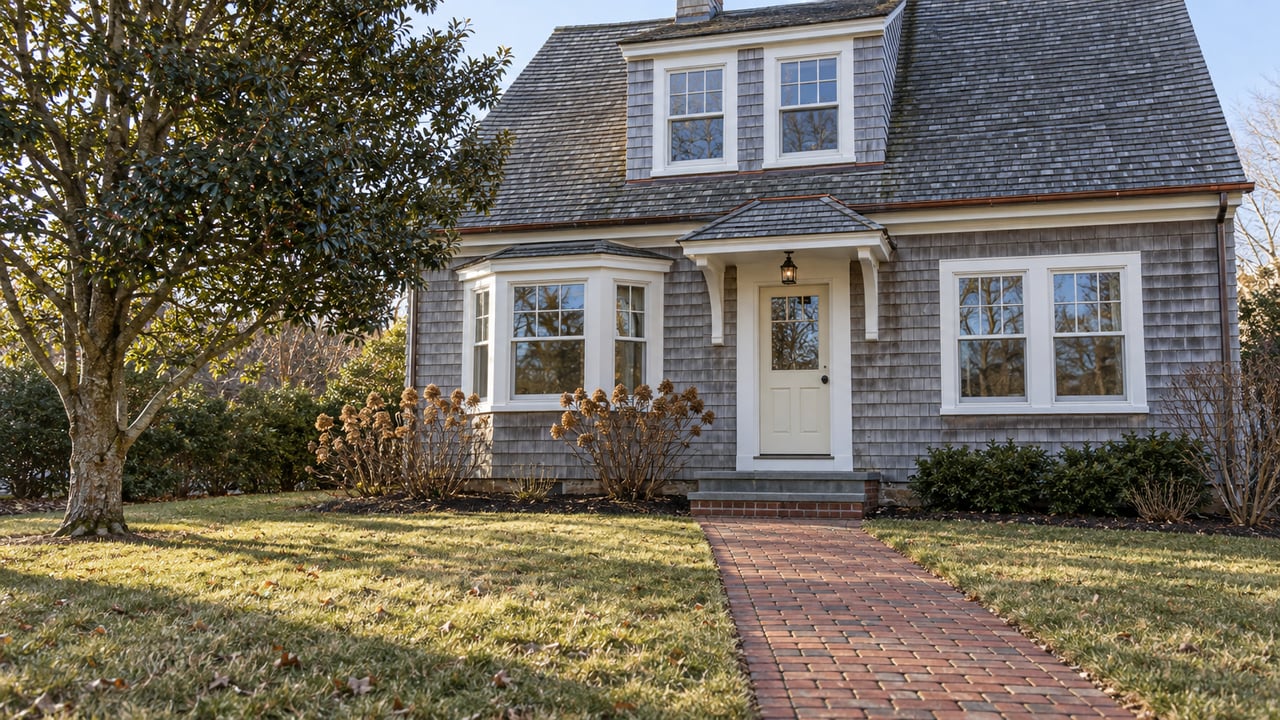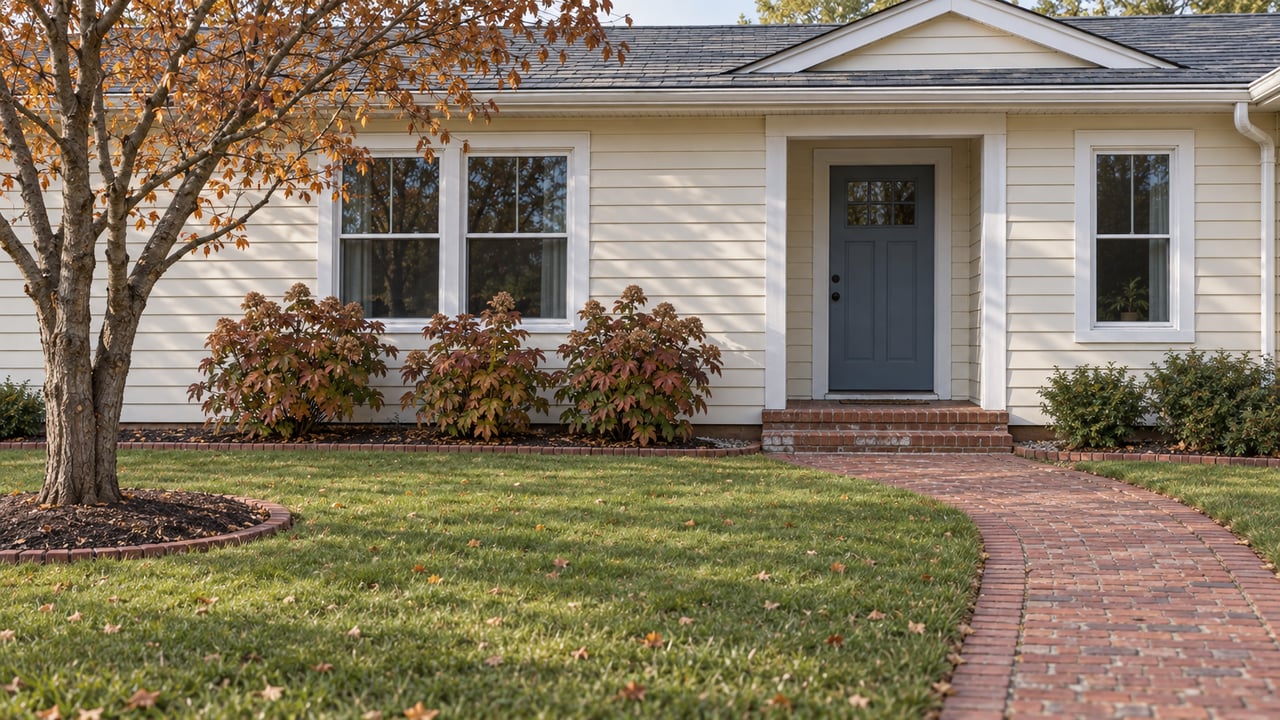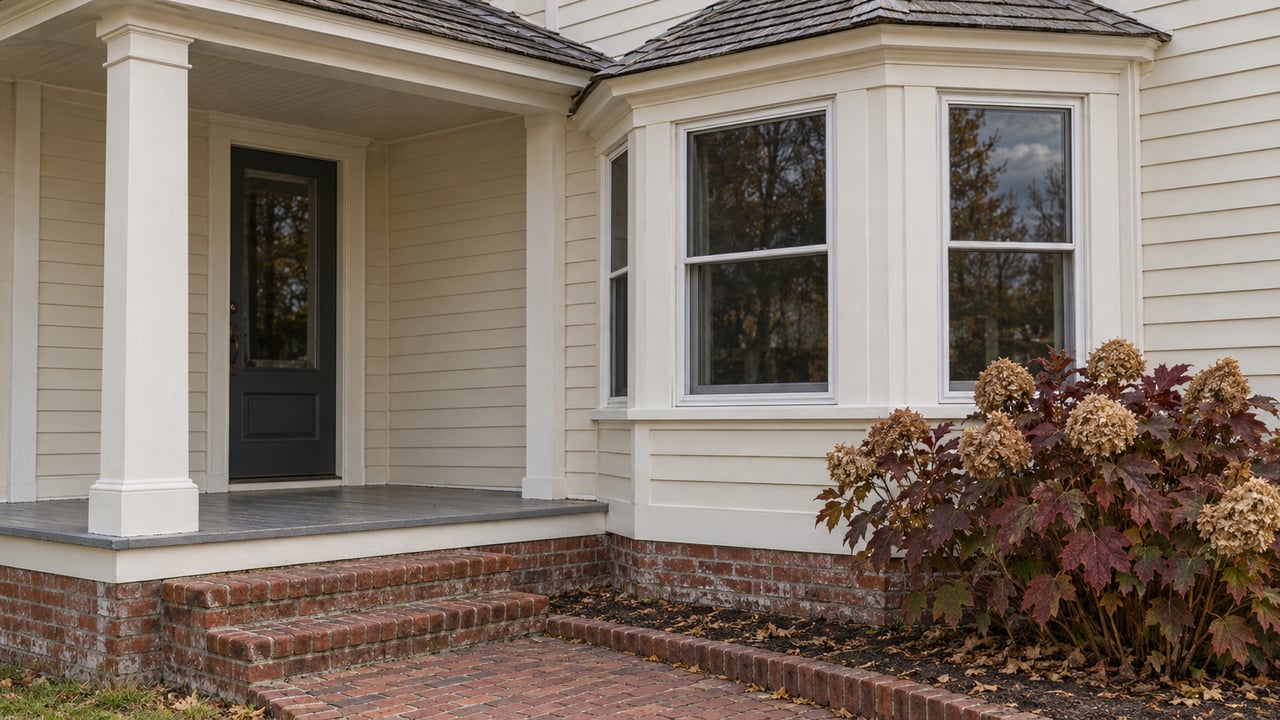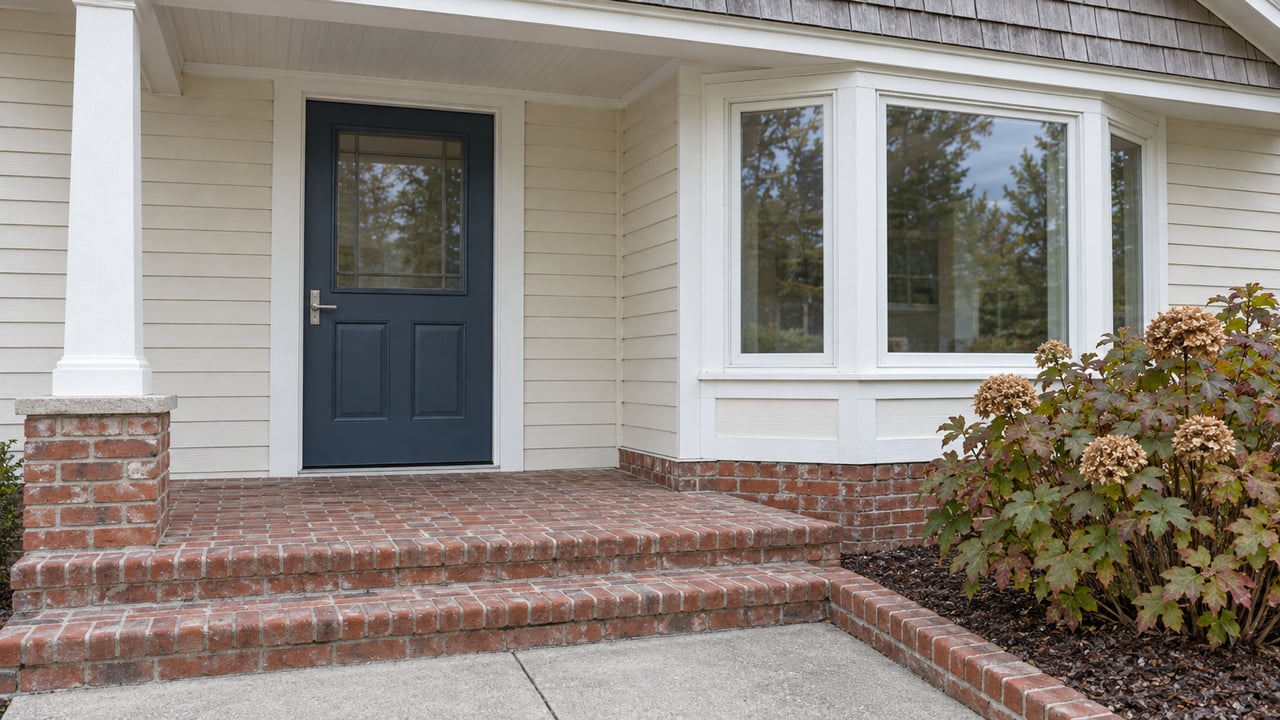
A rental property in North Cape May, Villas, Erma, Town Bank or Diamond Beach can come to market with years of bookings behind it, a current township license and a fire inspection on file. None of that paperwork passes to the buyer. Lower Township ties each rental approval to the person who holds it, so the buyer of a working vacation rental is legally a first-time applicant. That buyer's own approvals start on whatever date the deed changes hands.
So a buyer is really getting two things: a building, and a set of township approvals that have to be rebuilt in the new owner's name. The rental model the buyer chooses also matters. Three different time limits in township and state rules decide which inspections and disclosures apply.
The Sentence in the Code That Ends the Seller's License
Chapter 432 of the township code covers mercantile licenses, which include the licenses for rental units. Its transferability clause, added in 2004, reads in full:
"No license or permit issued by the Township shall be transferred from one person to another person, and no license or permit shall cover any other place of business or activity than that for which it was issued."
You can read it in Lower Township's Chapter 432 on ecode360. The clause applies to everyone. A seller who rented the home for a decade and a buyer who has never rented anything both start from the same place. The seller's license number has no value after closing, and the buyer files a new application with the Township Clerk.
Four Sign-Offs Before the First Guest
The township's short-term rental mercantile license application is one page. It asks for more than its length suggests:
- The property's block, lot and unit, its dwelling type and an occupancy limit
- Whether Daniel's Law applies
- The platforms the home will be advertised on
- A certificate of insurance of at least $500,000, which must be attached
- For owners who live outside Cape May County, a county resident who can be served with papers on the owner's behalf
The form also says real estate taxes on the property must be current, and it notes that the application is a public record under the Open Public Records Act. The approval block at the bottom has four signature lines: the Planning & Zoning Official, the Construction Official, the Fire Official and the Tax Collector. Because of those four lines, the license reflects the whole property file. An open zoning question or an unpaid inspection fee can hold it up. The code also requires a power of attorney appointing the Township Clerk to accept service, filed with the application or renewal.
Fees depend on occupancy: $150 for one to six people, $240 for seven to 11, and $325 for 12 or more. These numbers are fee tiers. They don't set a cap on occupancy or a minimum stay. Applications go to the Clerk's office at 2600 Bayshore Road in Villas, (609) 886-2005, and the Clerk's page has the form.
Three Time Limits That Decide Which Rules Apply
Here the rental plan matters more than the house. Three separate rules each use their own length of stay, and a buyer's choice between weekly summer guests and a year-round tenant moves the property in or out of each one.
| Threshold | Where it comes from | What it governs |
|---|---|---|
| 125 consecutive days or less | State fire code, N.J.A.C. 5:70-4.19 | Exempts a "seasonal summer unit" from the state's portable fire extinguisher requirement |
| Under 175 consecutive days | Lower Township Code §432-4I(5) | Puts the structure in the occupancy-based short-term rental fee tiers |
| Under six months a year, no consecutive lease renewals | Lower Township Code Ch. 523, lead-paint article | Exempts single- and two-family seasonal rentals from periodic lead-paint inspection |
The lead-paint row is where costs and paperwork differ the most. Lower adopted its lead-paint rental rules through Ordinance 2024-10 on August 5, 2024. They cover rental single-family, two-family and multiple dwellings built before 1978. Homes built in 1978 or later are exempt, and so are qualifying seasonal rentals. If a rental is covered, it needs an inspection at tenant turnover or every three years, whichever comes first. A valid lead-safe certification removes the need for an inspection at turnover, but the three-year cycle still applies. The township charges $100 per unit for a visual assessment, $100 for a post-remediation clearance, $25 to file a certification, and a state-directed $20 per unit for the Lead Hazard Control Assistance Fund.
The same pre-1978 house can therefore fall under two different sets of rules. As a summer weekly rental it is outside the lead article. As a year-round rental it is inside it. The article also governs the sale itself: an owner of a covered dwelling has to give prospective buyers a copy of the article, any lead-safe certifications, and the guidance document "Lead-Based Paint in Rental Dwellings" during the transaction or at closing. A buyer who receives that packet is looking at the compliance record for the house as a year-round rental.
The extinguisher row has a gap of its own. The state exempts seasonal summer units, but Lower's annual rental fire inspection lists extinguisher placement and maintenance among the things it checks. The Bureau of Fire Safety decides how the two rules apply to a particular unit.
The Settlement Inspection and Its Ten-Day Line
Every sale in Lower Township includes a fire inspection, whether or not the home will ever be rented. Under §340-13B(15), the Bureau of Fire Safety inspects before settlement. The fee is $130 if the application reaches the Fire Bureau office more than 10 working days before the settlement date, and $260 if it arrives with fewer than 10 working days left. Ten working days is about two calendar weeks. On a closing that moves quickly, a slow handoff of paperwork can double the fee.
The settlement inspection covers the sale. The rental has its own inspection, and it starts once the new owner begins renting. All seasonal, vacation and year-round rentals are inspected once each calendar year at $130 per unit, and seasonal rentals must pass before the rental season starts on June 1. According to Chapter 340 of the township code, the inspection checks that:
- The occupancy hasn't changed without the required upgrade
- The property complies with the Uniform Fire Code
- The required extinguisher is in place and maintained
- Every heat-producing device has been certified safe by a professional before the inspection
- Hood protection is in place under combustible cabinets above cooking appliances
The heater certification depends on an outside contractor's schedule. The Bureau's posted form must be completed by a New Jersey-licensed contractor and must cover every heater, gas logs and gas fireplaces included. The certification is valid for three years. A seller's certification may still be within that three-year window, so it's worth asking for a copy during the transaction. The Fire Bureau's page has the 2026 residential sales and rental registration application, and the office can be reached at (609) 889-0404, ext. 220. The heater form gives the Bureau's address as 1389 Langley Road at the Cape May Airport in Rio Grande.
Missed steps cost money. A rental that isn't registered and inspected faces a penalty of $500 to $2,000. If a violation continues, reinspections cost $65 each starting with the third. On the licensing side, Chapter 432 lists failing to get a certificate of inspection, failing to pay Bureau of Fire Safety fees, and failing to pay real estate taxes as grounds for revoking a license.
A Fall Closing, in Order
The license year runs from March 15 to March 14. For a buyer closing this fall, that means a short run of deadlines between now and Memorial Day:
- Before settlement, at least 10 working days out: the sale-of-property fire inspection application goes to the Bureau, at the $130 fee.
- Around closing: the buyer collects the seller's heater certification and, for a pre-1978 home that was a year-round rental, the lead-paint article and certifications the seller has to provide.
- After the deed records: a new mercantile license application goes to the Clerk, with insurance, the county service contact if needed, and the power of attorney.
- By March 15, 2027: the license is renewed. The code sets March 15 as the annual due date, so for an October 2026 closing this is the first renewal. A $25 late fee applies after March 15, and a license not renewed by April 15 can be revoked.
- By June 1, 2027: a seasonal rental has passed its annual $130 fire inspection, with heater certification in hand.
A buyer closing in October 2026 has several months before the June 1 deadline. A buyer closing in late April has only weeks, and the heater contractor and the Bureau's schedule are both busier in spring.
What Has Stayed the Same in 2026
Rental rules in shore towns are a common topic of debate, but Lower Township's are where they were. Its posted list of 2026 ordinances, through No. 17, includes no rental or short-term rental measure. Ordinance 2025-23 is marked "TABLED," and the list doesn't give its subject. The fire inspection fees date to Ordinance 2023-21 in December 2023. On the tax side, the New Jersey Division of Taxation's municipal occupancy tax list, dated October 5, 2026, shows Lower at 3% for transient accommodations, effective February 1, 2023. Cape May City and Middle Township are also at 3%.
Quick Answers
Does a buyer who never plans to rent still need the fire inspection? Yes. The township code requires the settlement inspection on the sale of any property.
Does Middle Township handle this the same way? Middle Township requires its own certificate for smoke alarms, carbon monoxide alarms and fire extinguishers before a sale, lease or change of occupancy. Its fees run from $78 to $210 depending on timing, and a single rental unit's annual registration lists at $78.
Is there a separate form for year-round rentals? The Clerk's office posts a separate year-round rental application. Its contents couldn't be read for this article, so the Clerk is the place to confirm what it requires.
This article explains how the township's process works. It isn't legal or tax advice, and a buyer's attorney can confirm how each rule applies to a specific property.
If you're thinking about a rental in Lower Township and want help timing the settlement inspection, collecting the seller's certifications and planning your license calendar before closing, Lisa Bassett has worked through these steps with buyers across North Cape May, Villas and the rest of the township for more than three decades. Let's Connect.